Every successful startup begins with a great idea. But turning that idea into a scalable business is where many founders hit their biggest roadblocks.
Beyond building a product, startups need to validate their solution, attract customers, secure funding, and build the right partnerships. Trying to tackle all of this alone can slow growth and make it harder to gain traction.
Fortunately, Singapore has built one of Asia’s strongest sustainability ecosystems, giving founders access to the programmes, networks, and opportunities needed to grow. Whether you’re developing climate technologies, sustainable building solutions, or agrifood innovations, success often comes down to one thing: surrounding yourself with the right ecosystem.
Here’s how founders can take their sustainability startup from idea to impact.
1. Solve a real problem first
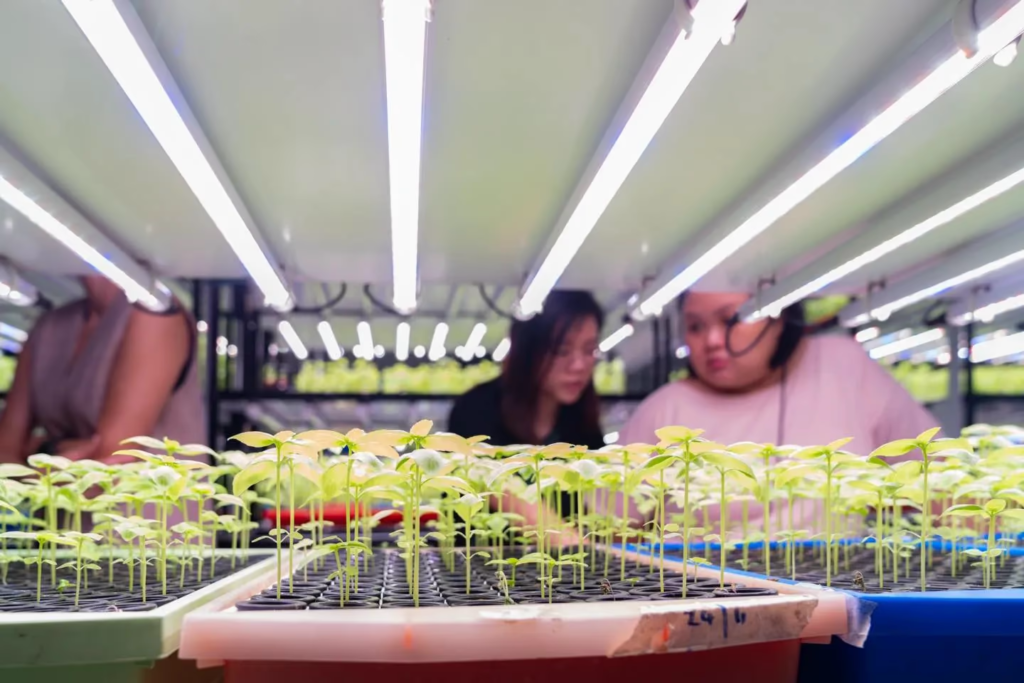
Image courtesy of: Singapore Land Authority
Many founders start with new, up and coming technology. Successful businesses, however, start with a real customer problem.
Before investing heavily in product development, ask yourself:
Who experiences this problem?
How are they solving it today?
Why would they choose your solution instead?
Is it a problem they’re willing to pay to solve?
Speaking to potential customers early helps you build solutions that meet genuine market needs, rather than assumptions.
For sustainability startups, this is especially important. Buying decisions often involve multiple stakeholders – from regulators and corporate procurement teams to property developers and end users. Understanding their needs early saves valuable time and development cycles later.
2. Validate before you scale

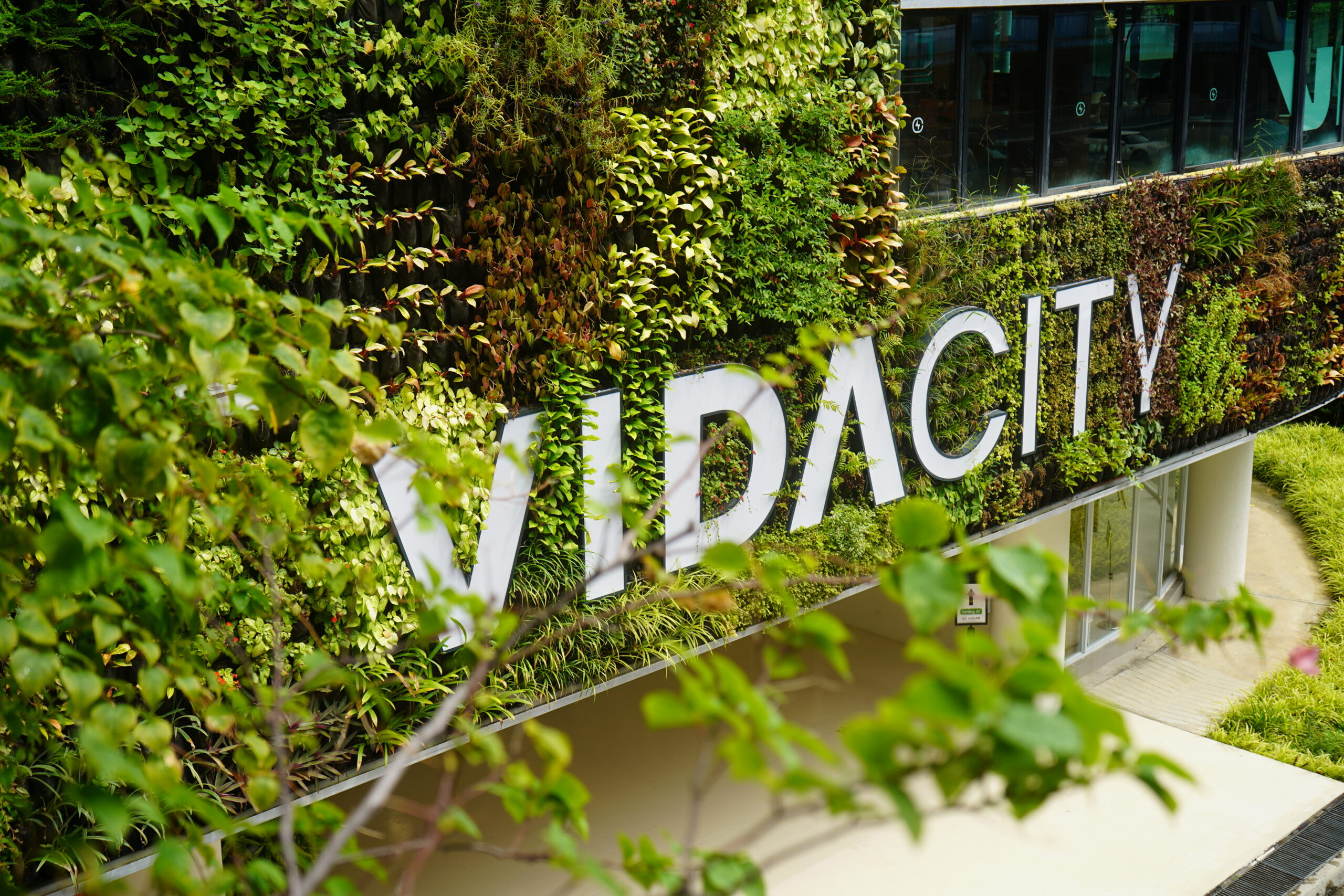
Microforest in Vidacity @ Pasir Ris
Image courtesy of: Vidacity
A working prototype is an important milestone, but it isn’t enough to convince corporate buyers or investors. Before businesses commit to adopting new green technologies, they want proof that solutions work in real-world operational environments.
That’s why access to pilot deployment for startups is so valuable. Pilot projects allow founders to test their solutions, gather performance data, and demonstrate measurable environmental impact before scaling commercially.
For startups developing hardware, urban greening, or deep-tech solutions, prototyping facilities in Singapore can make a significant difference during product development:
Living labs & testbeds: Facilities like Vidacity @ Pasir Ris offer functional living labs for urban farming, water treatment, and biophilic testing.
Deep-tech & material innovation: Research-driven initiatives leverage testbed infrastructure to bridge the gap between advanced material science or climate tech research and commercial application.
Participating in a testbed for startups in Singapore not only refines the product but also builds crucial confidence among corporate clients and investors.
3. Learn how investors think

Watch this video to find out more.
Fundraising starts long before your first investor meeting. While a compelling pitch is important, venture capitalists look for founders who understand unit economics, regulatory landscape, and their clear path to commercial growth.
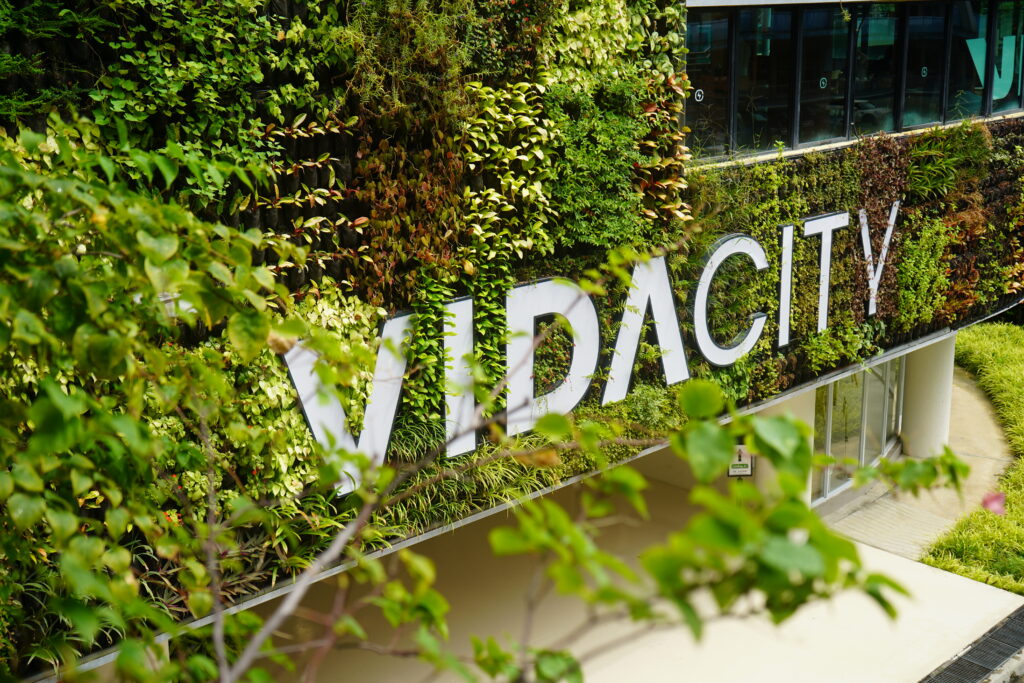
Image courtesy of: Vidacity
One way to build that investment readiness is through VidaCapital Academy.
Designed for founders, corporate leaders, and aspiring investors, the programme provides practical insights into venture capital, fundraising, deal structuring, and impact measurement. Whether you’re looking for a sustainable finance course in Singapore or specialised venture capital training, VidaCapital Academy equips founders with the strategic knowledge needed to approach investors with confidence.
By understanding what investors value, founders are better prepared to build investment-ready businesses from day one.
4. Join an ecosystem that helps you grow
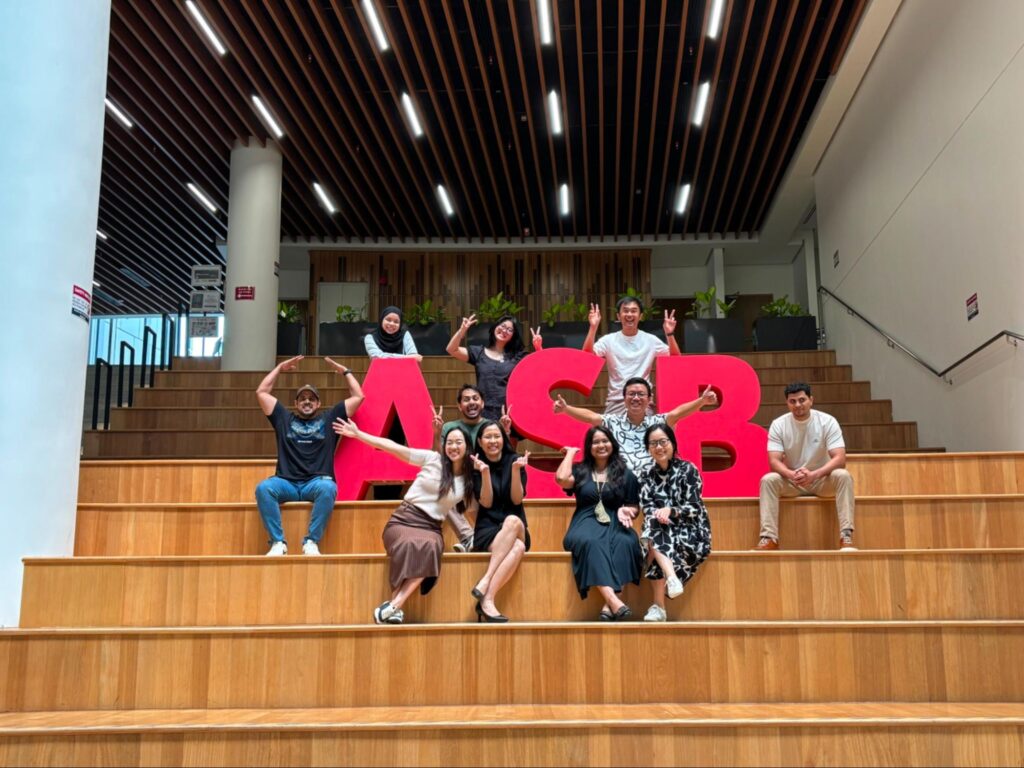
Image courtesy of: Vidacity
No startup succeeds in isolation. The fastest-growing sustainability companies are those surrounded by active mentors, researchers, corporate partners, and fellow founders.
One example is Vidacity – a dedicated sustainability innovation hub that has built a purpose-built ecosystem designed to accelerate these connections.
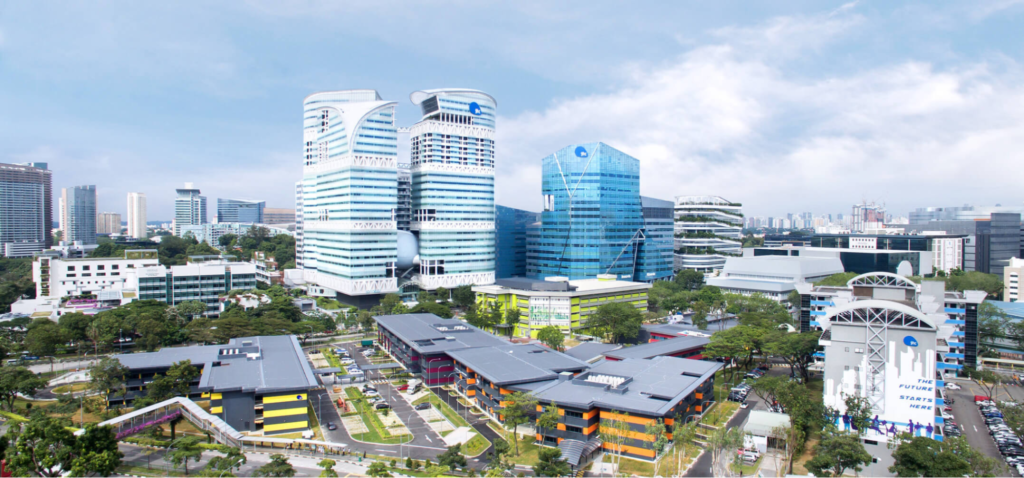
Image courtesy of: JTC
Operating across dual campuses – Vidacity @ Pasir Ris (a 95,000 sq ft living lab) and Vidacity @ one-north (located in JTC’s LaunchPad cluster) – the hub brings together startups, corporates, and public sector partners across agrifood, built environment, circular economy, and energy:
Strategic ecosystem partners:
JTC Corporation: Through strategic partnerships with JTC, startups gain access to proof-of-concept (POC) deployment opportunities across major industrial and innovation districts, including LaunchPad @ one-north and Punggol Digital District.
Action Community for Entrepreneurship (ACE.SG): Partnering with ACE.SG, Singapore’s national startup ecosystem builder, Vidacity connects founders to broader trade networks, founder referral pipelines, and market expansion support.
A*STAR (USS IEO): Collaborating with A*STAR’s Urban Solutions & Sustainability office to help research spin-offs commercialize science-backed innovations.
VidaCircle Accelerator:
Functioning as both a sustainability accelerator and sustainability incubator, Vidacity’s VidaCircleprogramme bridges validated prototypes to market-ready ventures by pairing founders directly with corporate buyer networks and capital partners.
5. Build the right connections & showcase success

Watch this video to find out more.
Scaling a startup isn’t just about raising capital – it’s about building high-value industry partnerships. For many founders, breakthroughs come from direct corporate introductions rather than cold outreach.
Singapore’s growing climate tech hub is already home to impactful startups driving real-world change across materials, deep tech, and social impact:
Entropy Lab: Pioneering passive cooling technologies and nano-engineered coatings (such as PasteCool®) that deflect solar radiation and reduce urban heat without consuming electricity.
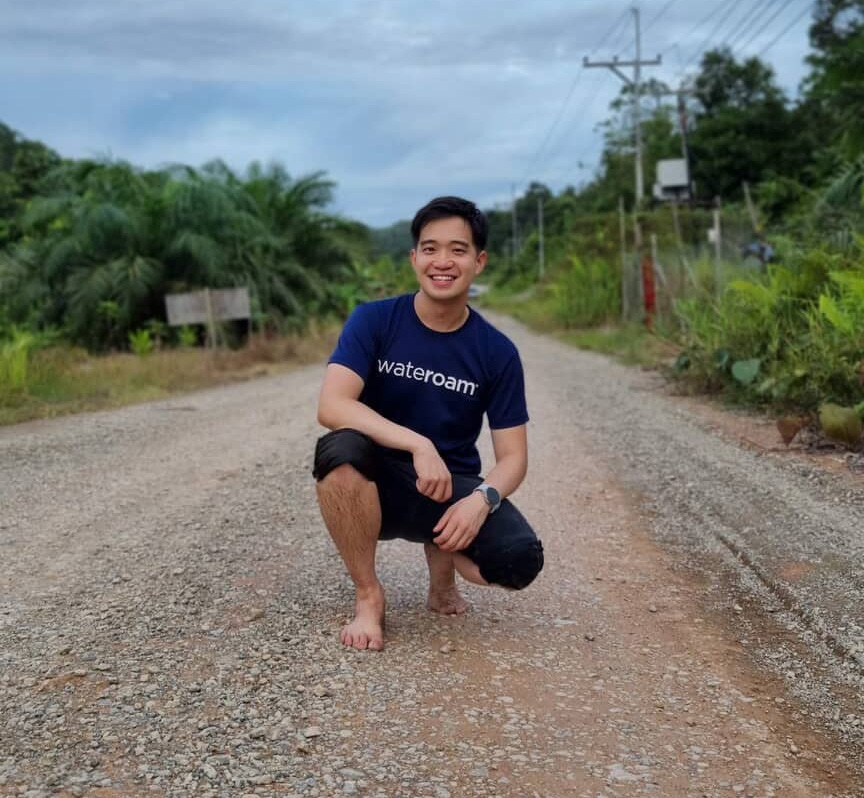
Wateroam: A water-tech social enterprise developing lightweight, highly portable water filtration systems designed to bring clean water access to disaster relief zones and off-grid rural communities.
ROYO Material: Driving circular material innovation by upcycling industrial cardboard waste into premium, sustainable materials for forward-thinking designers and brands.
Beyond founder networks, startups can leverage structured support through funding support for startups in Singapore, grant application support, and direct access to sustainability-focused angel investors and venture capital funds.
Great startups don’t scale alone
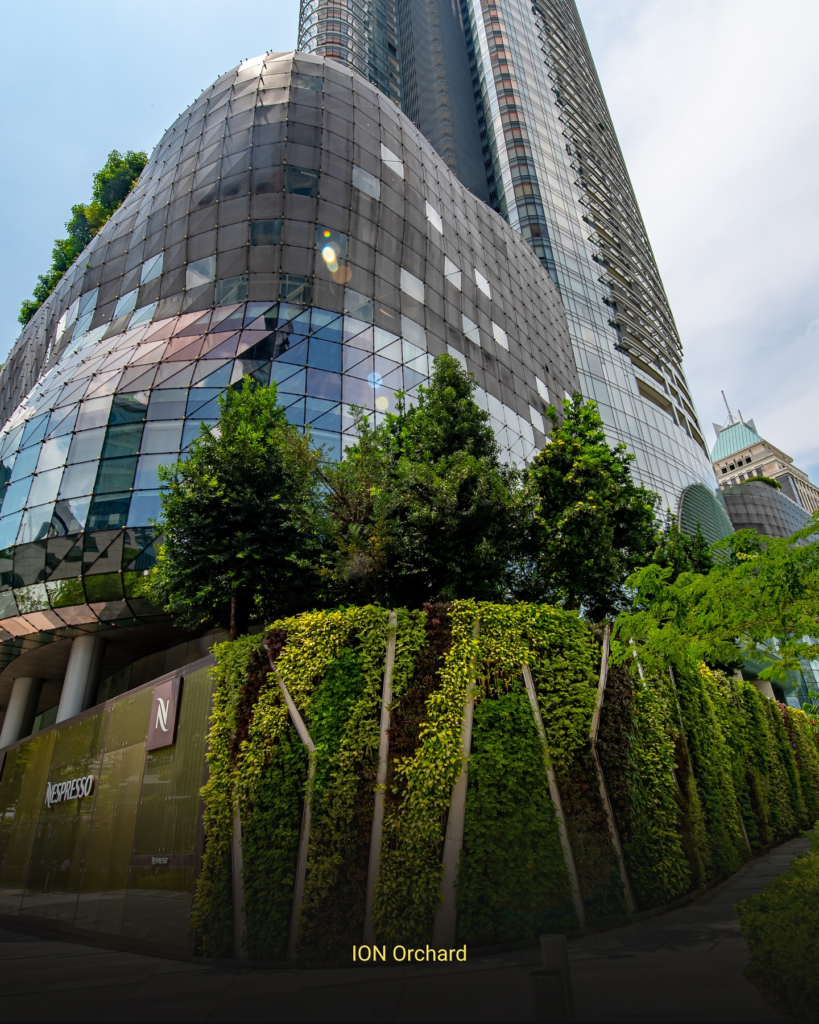
Image courtesy of: GWS Living Art
Building a sustainability startup is about more than developing innovative technology. It’s about surrounding yourself with the partners, testbeds, and investors who can help bring that innovation to market at scale.
Through collaborative partnerships with JTC, ACE.SG, A*STAR, and industry leaders like GWS Living Art, Singapore provides an unmatched platform for green innovation.
As a premier sustainability innovation hub in Singapore, Vidacity brings these elements together. Through initiatives like VidaCircle and VidaCapital Academy, founders gain the validation, networks, and tools needed to move from early-stage ideas to regional commercial success.
Frequently asked questions
What is the best way to scale a sustainability startup in Singapore?
Start by validating your solution with real customers, testing through living labs and JTC testbeds, building investment readiness via specialised training like VidaCapital Academy, and joining an ecosystem hub like Vidacity to connect with corporate partners.
Why are pilot deployments important for green tech companies?
Pilot deployments provide empirical performance data in real-world operational environments, proving safety, ROI, and efficiency to risk-averse corporate buyers and investors before full commercial rollout.
How does Vidacity help agrifood, built environment, and climate startups?
Vidacity provides physical living labs, sector-specialised acceleration through VidaCircle, investor readiness through VidaCapital Academy, and direct connections to corporate buyers, researchers, and venture capital investors.
Read more about our community: